Caring for Someone with Dementia at Home in Birmingham
By the Birmingham Angels teamUpdated 7 min read
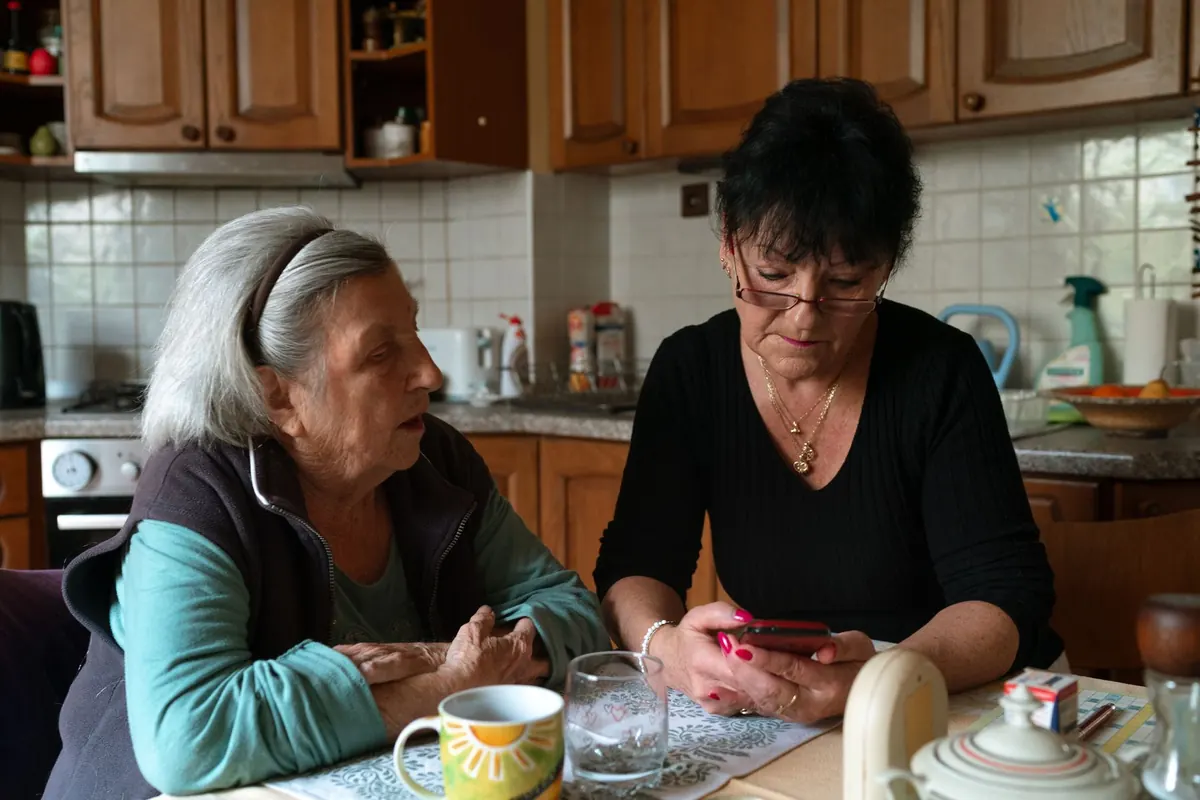
Most people with dementia live at home, usually supported by a husband, wife or adult children. With the right help, many can stay there for years after diagnosis.
This guide brings together practical advice for Birmingham and West Midlands families - what to look out for, how to make home safer, and where to turn for support.
When to think about more support
- Meals forgotten, or the same meal eaten twice
- Medication missed or muddled
- Leaving the house at night or getting lost on familiar routes
- Post and bills piling up, or doorstep and phone scams
- Falls, weight loss or poor hygiene
- A family carer who is exhausted, unwell or isolated
Making home dementia-friendly
Good lighting, especially at night, helps prevent falls and reduces confusion. Clear, uncluttered walkways, labels or pictures on cupboards, a large-faced clock with the day and date, and contrasting colours (such as a coloured toilet seat) all make everyday life easier. A key safe lets carers and family get in if needed. Your council's occupational therapy team can advise on equipment.
Days and nights
A regular routine, daylight and gentle activity during the day often help with sleep. Many people become more unsettled in the late afternoon and evening; keeping evenings calm and well-lit, and avoiding caffeine later in the day, can help. Music, photographs and familiar tasks are powerful ways to connect when words are harder.
Legal and practical steps
- Lasting Powers of Attorney for finances and for health and welfare, registered with the Office of the Public Guardian
- A care needs assessment from the council, and a carer's assessment for family carers
- Attendance Allowance and a Council Tax disregard check
- A conversation with the GP about a care plan and future wishes
Local and national support
Your GP can refer to the local NHS memory service for assessment and follow-up. The Alzheimer's Society's Dementia Support Line and Dementia UK's Admiral Nurse helpline offer free advice, and across Birmingham, Solihull and the Black Country there are dementia cafés, singing groups and carers' groups. When family support isn't enough on its own, live-in dementia care keeps one consistent carer in the home day and night.
Frequently asked questions
Can someone with dementia stay at home until the end?
Many people can, with the right support - often a combination of family, live-in care and NHS community services. We'll be honest with you if needs change to the point where another setting would be safer.
How do we start the conversation about care?
Choose a calm moment, focus on what the person wants to keep doing, and involve them in decisions as much as possible. A gentle trial, such as a fortnight of respite care, can help.
General information only - not financial, legal or medical advice. Figures and rules change each year, so check your own situation with your council, the NHS or a regulated adviser.
Want to talk it through?
Talk to us for free, friendly advice and a no-obligation care assessment. Lines are open 9am-10pm, 7 days a week.
Related care services
Dementia & Alzheimer's Care
Patient, consistent live-in support that helps people with dementia stay settled and safe in familiar surroundings.
Overnight Care
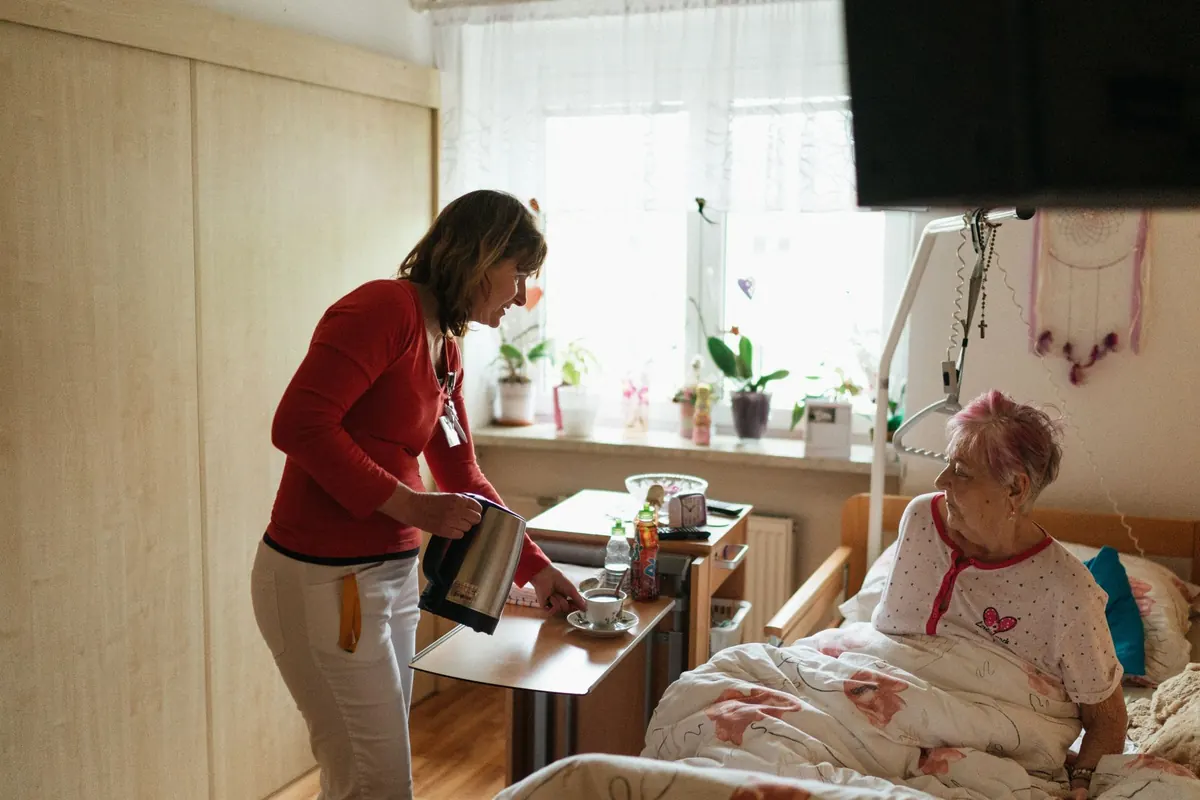
Sleeping or waking night carers for people who need help or reassurance after dark.

Respite Care
A trained carer steps in for a week or more so family carers can rest, travel or recover.
More guides
- Paying for Live-in Care in Birmingham and the West Midlands (2026/27)Council assessments, the 2026/27 means test, Attendance Allowance and NHS funding, explained for West Midlands families.
- Live-in Care or a Care Home? Making the Choice in BirminghamAn honest look at costs, quality of life, couples and dementia - and when a care home is the better choice.
- Coming Home from Hospital in Birmingham: A Family GuideWhat to ask before discharge, free reablement, and how to have care ready for day one.