Companionship Care in Birmingham
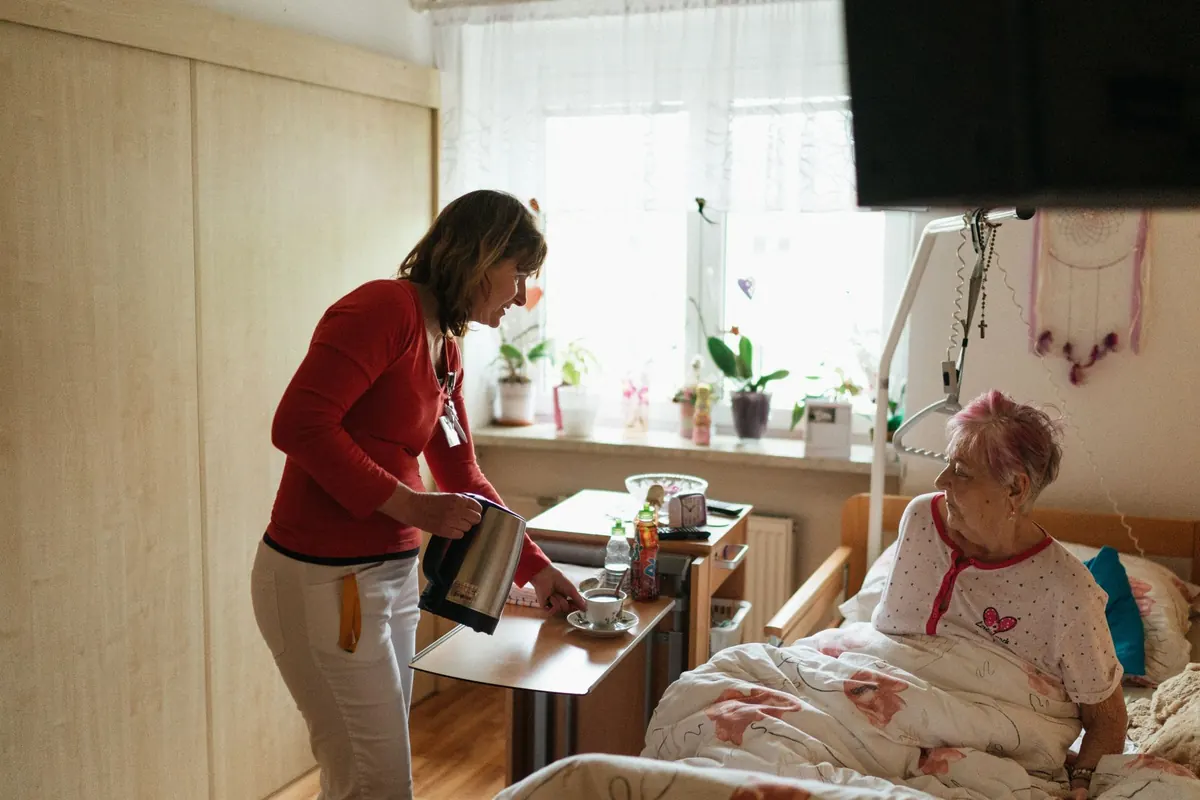
Loneliness can creep up after a bereavement, when friends move away or when getting out becomes harder. A live-in companion brings company back into the home: someone to share meals with, talk about the day, do the crossword with, and help you get out - to church, the bowls club, a café in Harborne or a stroll around Cannon Hill Park.
Companionship is ideal for people who are still fairly independent but no longer want to be on their own, especially at night - and it can grow into fuller live-in care later with the same carer.

- DBS-checked carers
- Family-run, Birmingham based
- CQC-defined introductory agency
- 24/7 on-call support
- Free care assessment
- Birmingham & West Midlands
Good company
Someone to talk to and share the day with
Getting out again
Support to visit friends, clubs and favourite places
Peace of mind
Reassurance for family who live further away
Is it right for you?
- People living alone who feel isolated or lonely
- Older people who have lost confidence after a fall or illness
- Families who live outside Birmingham and worry about a parent on their own
- Anyone who would like help to keep up hobbies and friendships
How your carer helps
- Conversation, games, puzzles and shared hobbies
- Trips out to shops, cafés, clubs and places of worship
- Cooking and sharing meals
- Light housework and errands
- Help using phones and video calls to keep in touch
- Encouragement to stay active
More than a visitor
Because a live-in companion shares your home, the relationship feels natural rather than scheduled. There's no clock-watching and no rush - just someone who knows how you take your tea, which programmes you enjoy and which friends you've been meaning to call.
We match companions on shared interests where we can, whether that's football, gardening, music, cooking or faith, so there's always something to talk about.
Questions families ask
Related services

Live-in Care
A carefully matched carer moves into your home to provide support and company around the clock.

Respite Care
A trained carer steps in for a week or more so family carers can rest, travel or recover.
Overnight Care
Sleeping or waking night carers for people who need help or reassurance after dark.
Where we provide companionship
Choose your area for local details, including nearby hospitals and the council that covers you.
- Edgbaston
- Harborne
- Moseley & Kings Heath
- Selly Oak & Bournville
- Northfield & Longbridge
- Hall Green & Acocks Green
- Yardley & Sheldon
- Erdington & Kingstanding
- Sutton Coldfield
- Handsworth, Perry Barr & Great Barr
- Birmingham City Centre & Jewellery Quarter
- Solihull
- Wolverhampton
- Walsall
- Dudley & Stourbridge
- Sandwell
- Coventry
Read our guides
- Paying for Live-in Care in Birmingham and the West Midlands (2026/27)
Council assessments, the 2026/27 means test, Attendance Allowance and NHS funding, explained for West Midlands families.
- Live-in Care or a Care Home? Making the Choice in Birmingham
An honest look at costs, quality of life, couples and dementia - and when a care home is the better choice.
- Caring for Someone with Dementia at Home in Birmingham
Warning signs, home safety, routines, legal steps and where to find local support.
- Coming Home from Hospital in Birmingham: A Family Guide
What to ask before discharge, free reablement, and how to have care ready for day one.
Talk to us about companionship
Talk to us for free, friendly advice and a no-obligation care assessment. Lines are open 9am-10pm, 7 days a week.