Stroke Recovery Care at Home in Birmingham
Coming home after a stroke can feel daunting. Simple things - getting up the stairs, making a drink, finding the right word - may suddenly be hard. Recovery continues long after leaving hospital, and much of it happens through practice in everyday life.
A live-in carer gives that practice structure and safety. They help with washing, dressing and moving around, encourage the exercises set by your therapists, and are there through the night, so you and your family can focus on getting better.
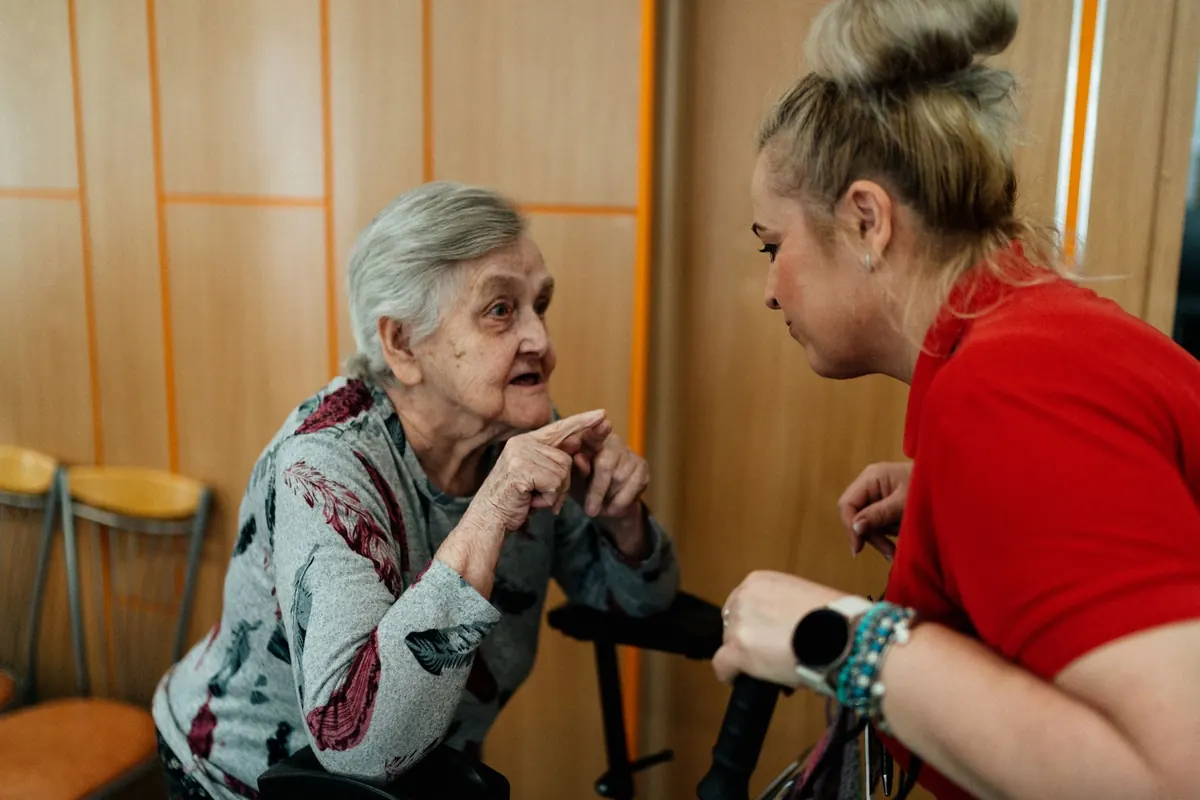
- DBS-checked carers
- Family-run, Birmingham based
- CQC-defined introductory agency
- 24/7 on-call support
- Free care assessment
- Birmingham & West Midlands
Is it right for you?
- Stroke survivors preparing for discharge from a Birmingham or West Midlands hospital
- People with weakness on one side, balance problems or fatigue after a stroke
- People whose speech or swallowing has been affected
- Families who need help while a loved one recovers
How your carer helps
- Care in place for the day of discharge
- Help with personal care and safe mobility
- Encouraging physiotherapy and occupational therapy exercises
- Meals prepared to any texture advised by your speech therapist
- Patient support with communication
- Watching for changes in mood, which are common after stroke
From hospital to home
Many stroke patients in the region are treated at Birmingham's large NHS hospitals, including the Queen Elizabeth Hospital and Heartlands, as well as Midland Metropolitan University Hospital, New Cross in Wolverhampton and University Hospital Coventry. Discharges can come round quickly, so it helps to contact us as soon as a date is being discussed. We can assess needs while your relative is still on the ward and have a carer ready.
After discharge, community stroke and therapy teams may visit. Your carer works alongside them and follows their programme between visits, when progress is often made.
Questions families ask
Related services

Post-Hospital Care
Short-term live-in support after an operation, illness or fall, ready for the day you come home.
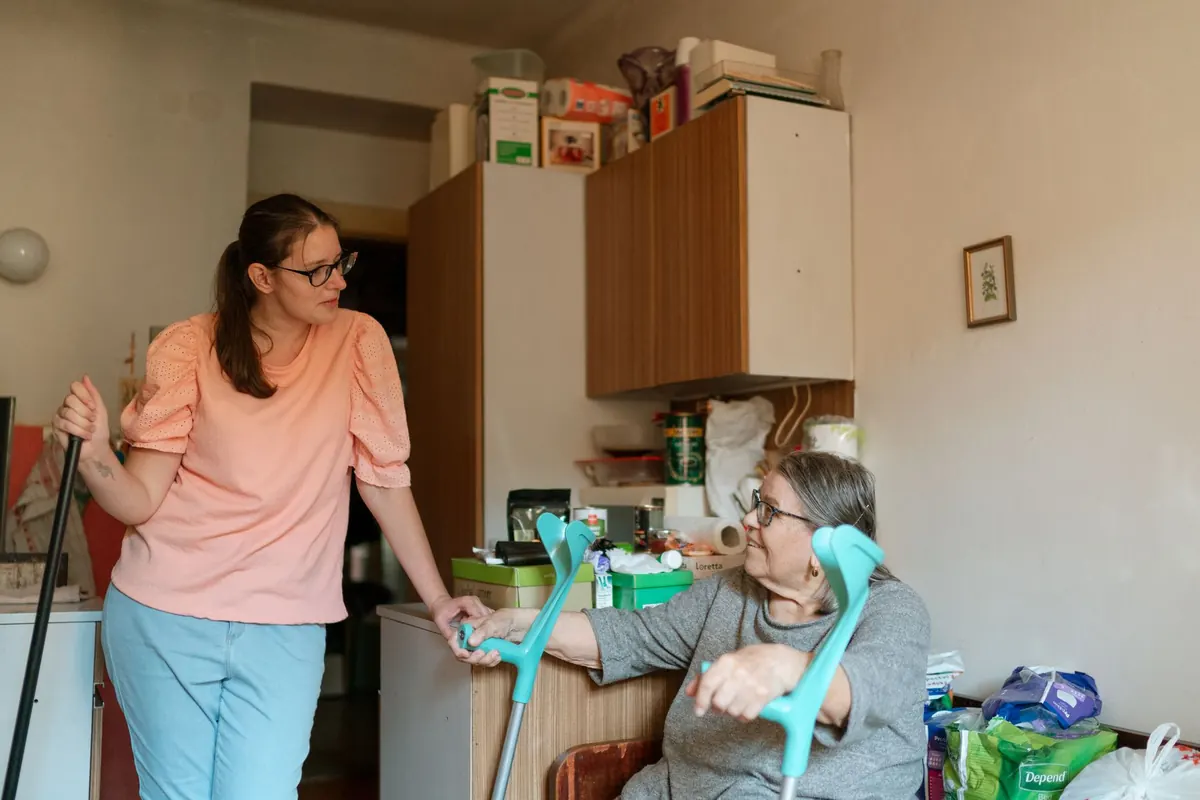
Parkinson's Care
Live-in support built around medication timing, mobility and the ups and downs of living with Parkinson's.
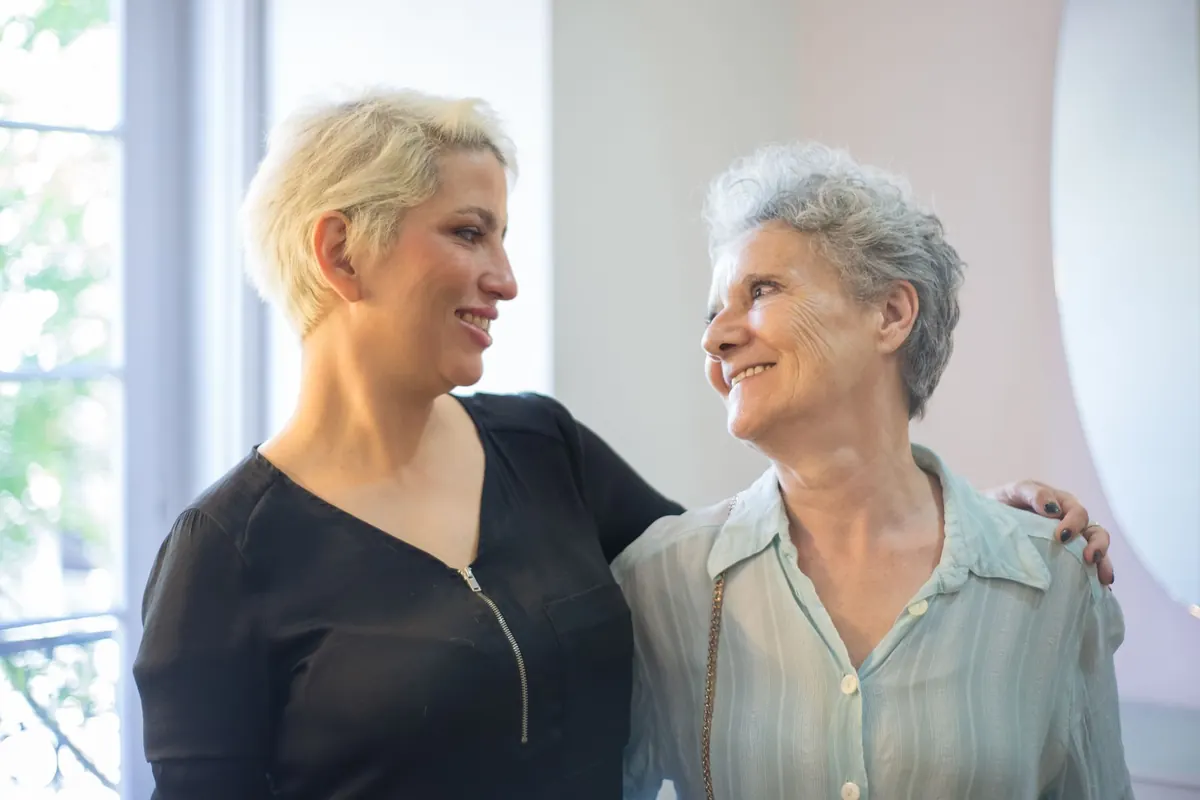
Live-in Care
A carefully matched carer moves into your home to provide support and company around the clock.
Where we provide stroke care
Choose your area for local details, including nearby hospitals and the council that covers you.
- Edgbaston
- Harborne
- Moseley & Kings Heath
- Selly Oak & Bournville
- Northfield & Longbridge
- Hall Green & Acocks Green
- Yardley & Sheldon
- Erdington & Kingstanding
- Sutton Coldfield
- Handsworth, Perry Barr & Great Barr
- Birmingham City Centre & Jewellery Quarter
- Solihull
- Wolverhampton
- Walsall
- Dudley & Stourbridge
- Sandwell
- Coventry
Read our guides
- Paying for Live-in Care in Birmingham and the West Midlands (2026/27)
Council assessments, the 2026/27 means test, Attendance Allowance and NHS funding, explained for West Midlands families.
- Live-in Care or a Care Home? Making the Choice in Birmingham
An honest look at costs, quality of life, couples and dementia - and when a care home is the better choice.
- Caring for Someone with Dementia at Home in Birmingham
Warning signs, home safety, routines, legal steps and where to find local support.
- Coming Home from Hospital in Birmingham: A Family Guide
What to ask before discharge, free reablement, and how to have care ready for day one.
Talk to us about stroke care
Talk to us for free, friendly advice and a no-obligation care assessment. Lines are open 9am-10pm, 7 days a week.