Parkinson's Care at Home in Birmingham
Parkinson's changes from hour to hour as well as year to year. A good morning can give way to a stiff, shaky afternoon if a dose is late. That's why live-in care works so well: a carer who is always there makes sure tablets are taken exactly on time, and plans the day around the times you feel at your best.
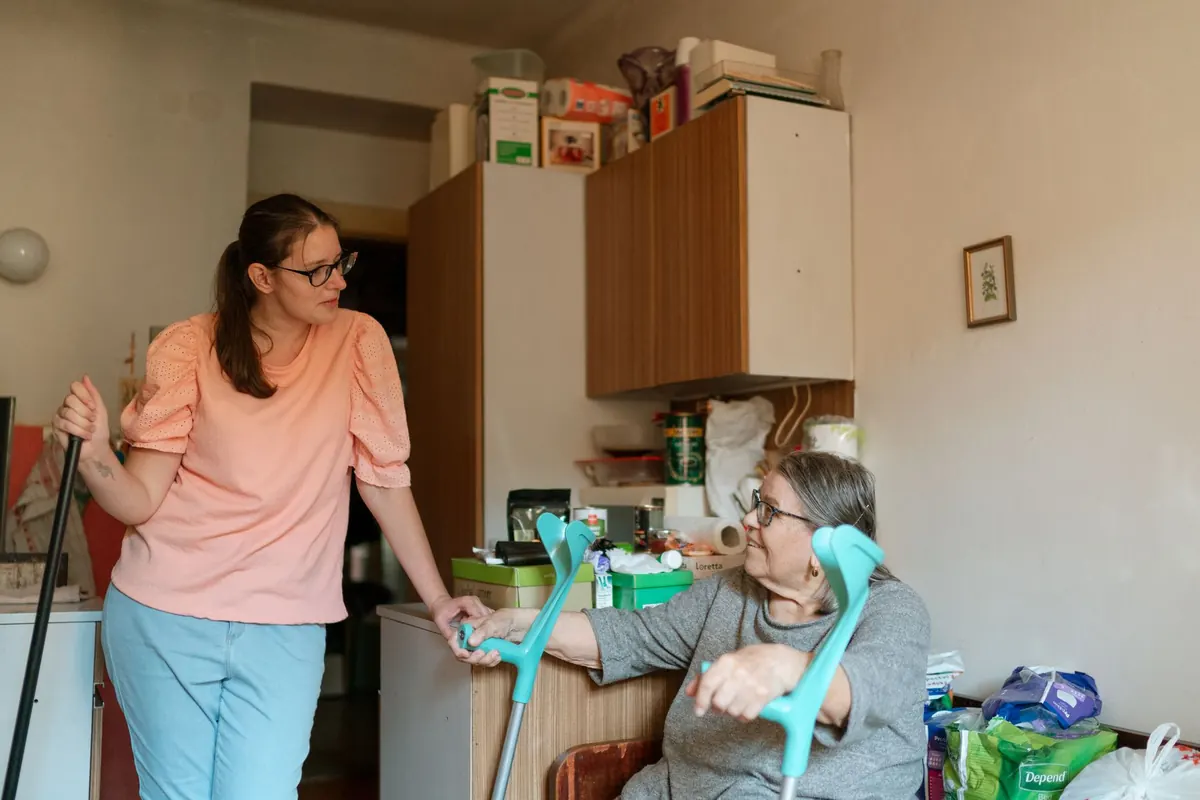
Your carer supports walking, getting in and out of chairs and bed, washing and dressing, and helps keep up the exercises your physiotherapist recommends - while your neurologist and Parkinson's nurse continue to lead your treatment.
- DBS-checked carers
- Family-run, Birmingham based
- CQC-defined introductory agency
- 24/7 on-call support
- Free care assessment
- Birmingham & West Midlands
Is it right for you?
- People with Parkinson's who struggle with medication timing
- People who have had falls or 'freezing' episodes
- Couples where a partner has been the main carer and needs support
- People with later-stage Parkinson's who need more personal care
How your carer helps
- Medication prompted on time, every time
- Walking support, cueing and falls prevention
- Help with washing, dressing and eating
- Encouragement with exercise and physiotherapy routines
- Support with speech and swallowing advice from therapists
- Company to clinic appointments
Working alongside your Parkinson's team
Parkinson's care in Birmingham often involves a neurologist, a Parkinson's nurse specialist, and physiotherapy, occupational therapy and speech and language therapy. Your carer won't replace any of them, but they will follow the advice those professionals give and let you and your family know if they notice changes - such as new falls, swallowing difficulties or confusion.
Parkinson's UK has local groups and information services across the West Midlands, and we can help you find them.
Questions families ask
Related services

Live-in Care
A carefully matched carer moves into your home to provide support and company around the clock.
Stroke Care
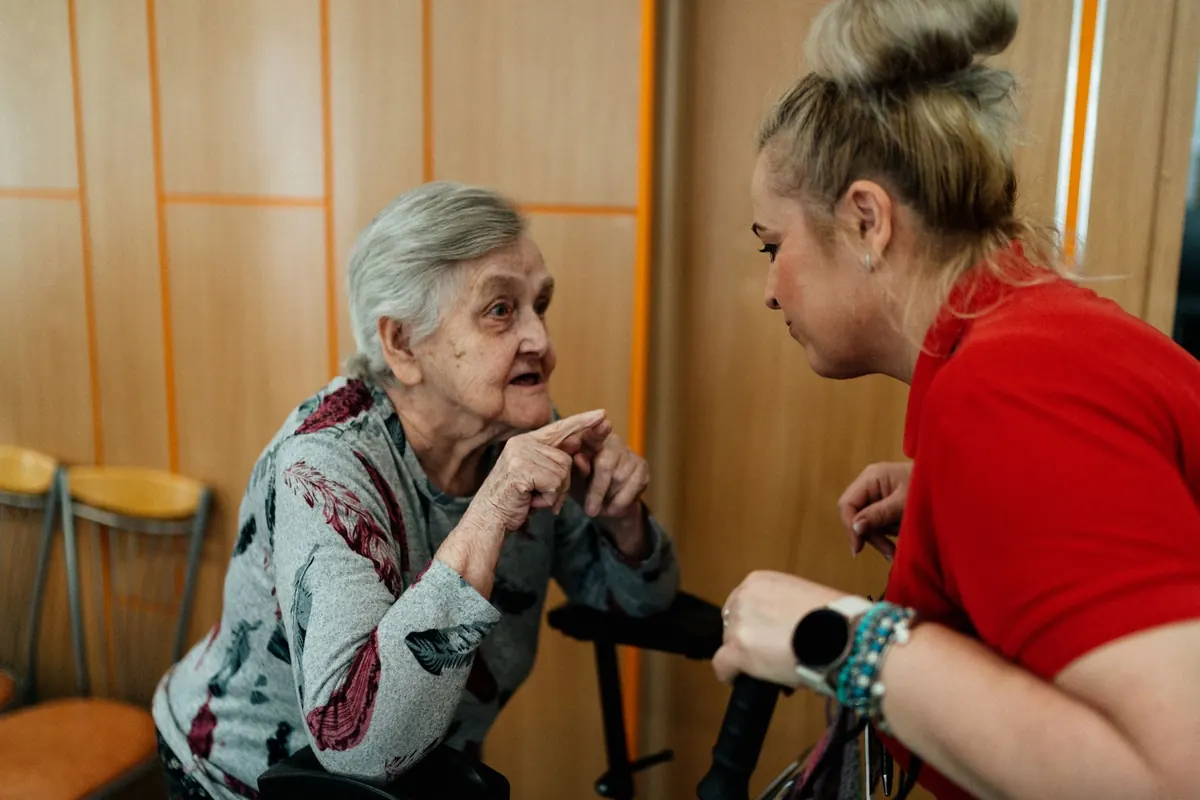
Patient day-to-day support for stroke survivors coming home from hospital and rebuilding confidence.

Complex Care Support
Consistent daily support for people with long-term or complex conditions, working alongside NHS teams.
Where we provide parkinson's care
Choose your area for local details, including nearby hospitals and the council that covers you.
- Edgbaston
- Harborne
- Moseley & Kings Heath
- Selly Oak & Bournville
- Northfield & Longbridge
- Hall Green & Acocks Green
- Yardley & Sheldon
- Erdington & Kingstanding
- Sutton Coldfield
- Handsworth, Perry Barr & Great Barr
- Birmingham City Centre & Jewellery Quarter
- Solihull
- Wolverhampton
- Walsall
- Dudley & Stourbridge
- Sandwell
- Coventry
Read our guides
- Paying for Live-in Care in Birmingham and the West Midlands (2026/27)
Council assessments, the 2026/27 means test, Attendance Allowance and NHS funding, explained for West Midlands families.
- Live-in Care or a Care Home? Making the Choice in Birmingham
An honest look at costs, quality of life, couples and dementia - and when a care home is the better choice.
- Caring for Someone with Dementia at Home in Birmingham
Warning signs, home safety, routines, legal steps and where to find local support.
- Coming Home from Hospital in Birmingham: A Family Guide
What to ask before discharge, free reablement, and how to have care ready for day one.
Talk to us about parkinson's care
Talk to us for free, friendly advice and a no-obligation care assessment. Lines are open 9am-10pm, 7 days a week.